

Damian O'Neill of The Undertones: "Music Heals"
The Music and Chat Show With Tara Rez And Segs Jennings

50 Years of Punk, Teenage Kicks, John Peel, The Clash and What Comes Next
The Undertones guitarist talks to Tara Rez and Segs Jennings about John Peel changing everything, Terry Hooley and Good Vibrations, the Ramones, That Petrol Emotion, growing up in Derry, touring America with The Clash, new Undertones music, and why he is still looking forward after five decades of punk.
WATCH THE INTERVIEW
If you’d like to watch the full interview with Damian O’Neill, Tara Rez and Segs Jennings for Punk Globe, you can watch it here:
This conversation did not begin as a cold interview request. Segs Jennings and Damian O’Neill had already found themselves talking backstage in Belfast, where Ruts DC and The Undertones shared the bill at Custom House Square on 22 August 2026 for Stiff Little Fingers’ Putting the Fast in Belfast 8. They got on, the conversation carried on, and this Punk Globe interview is, as Segs puts it, “an extension of that.”
The timing could hardly be better. The Undertones are out on their 50th anniversary tour, while Damian and Segs are about to share stages again. Ruts DC join The Undertones for four dates across Sweden in September, followed by further shows together in Southampton, Brighton and London’s Electric Ballroom in November.

There are some songs that belong to a moment. Then some songs somehow escape it.
Fifty years after The Undertones emerged from Derry, “Teenage Kicks” still does what it always did – two-and-a-bit minutes of electricity, longing and teenage urgency, with none of the mythology that later accumulated around punk weighing it down.
Perhaps that is part of the secret. When Damian talks to Tara and Segs for Punk Globe, what comes through immediately is that The Undertones were never interested in presenting themselves as legends. They were mates. They loved records. They played fast. They wore the clothes they actually owned. And when John Peel unexpectedly played the little record they had made, their lives changed.
Fifty years on, the band are still onstage and still making plans. Damian sounds considerably more interested in what happens next than in being preserved behind glass.
John Peel, Teenage Kicks and the moment everything changed
For The Undertones, John Peel was not merely an influential DJ. They were listeners.
Damian remembers the band following Peel’s BBC Radio 1 programme “religiously” for years, which made hearing their own record suddenly coming through that same radio almost impossible to comprehend. The band had been tipped off that Peel might play it, so everybody gathered at the O’Neill family home, which Damian describes as effectively The Undertones’ headquarters.
Then it happened. Their record came on.
“One of the greatest moments ever.”
The importance of Peel’s support is hard to overstate. Beforehand, The Undertones had sent material to record companies and received either rejection or silence. Once Peel began playing them – famously playing “Teenage Kicks” twice consecutively – the telephone started ringing with labels wanting to sign the band.
The irony was extraordinary. “We were basically breaking up before that,” Damian remembers.
Years later, the connection came full circle in an extraordinarily emotional way. Damian attended Peel’s funeral. As the coffin was carried from the church, “Teenage Kicks” was played. “Not a dry eye in the house,” he recalls.
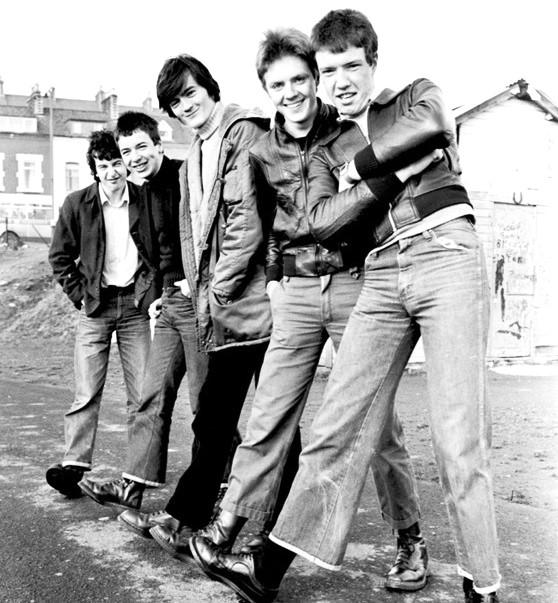
Terri Hooley: the man who gave five lads from Derry a chance
Before the record companies came calling, there was Terry Hooley.
The Good Vibrations founder occupies a near-mythical position in Northern Irish punk history, but Damian’s memory of how The Undertones ended up on his label makes the story beautifully human.
The band knew Hooley largely because his Belfast shop was one of the few places selling punk records. They never assumed he would release theirs. According to Damian, a mutual friend approached Hooley and essentially told him there were five lads in Derry who were on the verge of breaking up and desperately wanted him to put their record out.
Hooley said he would think about it. He crossed the road. And then agreed.
The Undertones received around £250 to make the record. “We were so lucky to find Terry,” Damian says. Later, when Sire Records became involved, Damian remembers Hooley giving up the rights to “Teenage Kicks” without demanding money for it.
For all the business mythology surrounding punk, sometimes history really does turn because one person says: go on, then.
Sire Records, Seymour Stein and five young men learning the music business very quickly
John Peel’s endorsement transformed the landscape almost overnight. Labels that previously had not been interested suddenly wanted The Undertones.
Among them was Sire Records, home to artists the band already revered, including the Ramones and Talking Heads. That mattered. Once Sire entered the picture, Damian says, they knew where they wanted to go.
What they understood rather less clearly was the record contract. He laughs now at the band’s innocence: “We thought the advance you get is yours to keep forever.”
Nobody, apparently, had quite explained recoupment. Feargal Sharkey and Mickey Bradley were dispatched to London to negotiate with Sire founder Seymour Stein, while the young band back in Derry were still trying to understand points, royalties and advances.
Damian describes the original agreement as a poor deal, though he is also careful not to rewrite the whole relationship as a negative experience. He remembers Sire warmly and says he liked Stein personally. Later, with professional management, The Undertones renegotiated their position and eventually moved on from the label.
It is a wonderfully familiar punk story: make the record first, learn the business afterwards.
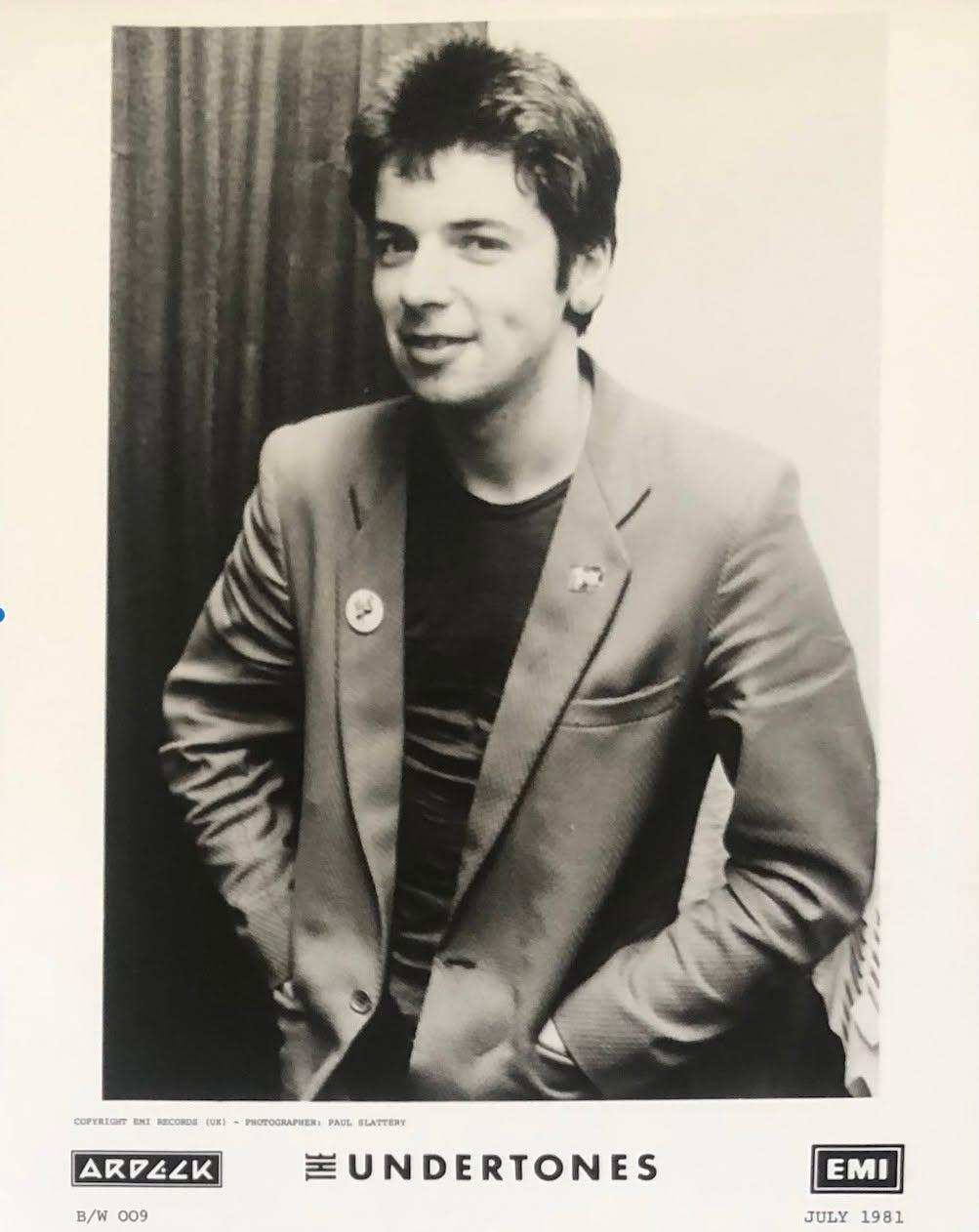
“We can do that”: how the Ramones changed The Undertones
If John Peel opened the door, the Ramones helped show The Undertones what was possible musically.
Damian remembers hearing the first Ramones LP in 1976 and being floored by it. Fast. Funny. Exciting. And, crucially, no guitar solos.
“We can do that.”
The response in Derry was beautifully practical. The Undertones began speeding everything up – even the cover versions they already played. Damian says they effectively doubled the speed in an attempt to sound more like the Ramones.
But perhaps the most extraordinary Ramones story in the interview arrives almost casually. Tommy Ramone once came to an Undertones dressing room and offered to produce them.
Damian remembers not initially recognizing him because Tommy was wearing a suit. He had already left the Ramones and approached the band about producing them. And The Undertones said no.
Why? Damian still is not entirely sure. “Sometimes you wish you made better decisions.” Punk history is littered with sliding doors. That is a fairly magnificent one.
Why The Undertones did not write about the conflict outside their door
One of the most interesting parts of Tara and Segs’ conversation with Damian concerns what The Undertones did not write about.
They came from Derry during one of the darkest periods of the Northern Irish conflict. Yet the early Undertones catalogue largely avoided overt political songwriting. Damian says that was deliberate.
Political writing felt too obvious. Instead, the band gravitated towards pop, romance and teenage life – influenced by everything from the Ronettes and the Shirelles to the New York Dolls and Ramones. Rather than replicate what Stiff Little Fingers were doing in Belfast, The Undertones went another way.
With hindsight, Damian sees value in that choice beyond the purely musical. Perhaps those songs offered people some joy amid something terrible.
“Maybe we just added a bit of joy to what was a horrible situation.”
Then he adds: “I’m really proud of that.” It is an important distinction. Escapism does not necessarily mean indifference. Sometimes three minutes of joy is its own response to darkness.
That Petrol Emotion: when the politics came to the surface
After the original Undertones split, Damian moved into another remarkable musical chapter with That Petrol Emotion, alongside his brother John O’Neill.
This time the politics were harder to leave outside the studio. Damian says John had become increasingly angry about what was happening in Northern Ireland and felt more ready to address it. The band’s politics sometimes appeared directly in songs, but also through record sleeves and information addressing Northern Ireland and human-rights issues.
That Petrol Emotion became a markedly different proposition from The Undertones – more abrasive, experimental and overtly political – giving Damian what he describes as essentially a second career in music.
That thread of experimentation never entirely disappeared. His solo work has continued to move outside straightforward punk rock, including instrumental, electronic and soundtrack-minded material, as well as later solo albums and collaborations.
The Undertones, The Clash and hearing London Calling before everybody else
Then comes another one of those stories.
The Undertones’ first American tour was with The Clash. They played around ten shows across the East Coast and Canada, although Damian reveals they were originally offered a much longer six-week run. The band turned it down. Some members simply did not want to be away from home that long. Again, Damian laughs at the decision now.
But the shows they did play gave them an extraordinary ringside seat. Damian particularly remembers Joe Strummer as warm and friendly, making an effort to come over and talk while the young Undertones were understandably starstruck.
Even better, The Clash were already introducing material from “London Calling” before the album had been released. The Undertones were standing there night after night hearing those songs before most of the world knew them.
“That was a brilliant tour.”
Fifty years on – and The Undertones are writing again
A nostalgia-only version of The Undertones would probably sell perfectly well. Damian does not sound particularly interested in that.
During the conversation, he reveals that John O’Neill has found a fresh creative surge, including a new song called “Time Is Terminal”. Damian is clearly excited about it – not least because new material gives current vocalist Paul McLoone something that belongs to his own era rather than simply asking him to interpret the classics.
Even more interestingly, Damian outlines the band’s thinking for what comes next. The plan, he says, is to record a new EP, potentially follow it with another, perhaps a third, and eventually bring those songs together into an album.
It is not framed as a grand comeback. It sounds much more Undertones than that. Songs first. See where they go.
Damian knows perfectly well that new material has to coexist with a catalogue containing “Teenage Kicks” and “My Perfect Cousin”. That is an absurdly high bar. But the point is to keep creating rather than endlessly polishing the museum pieces.
“I think we’ll rock till we drop.”
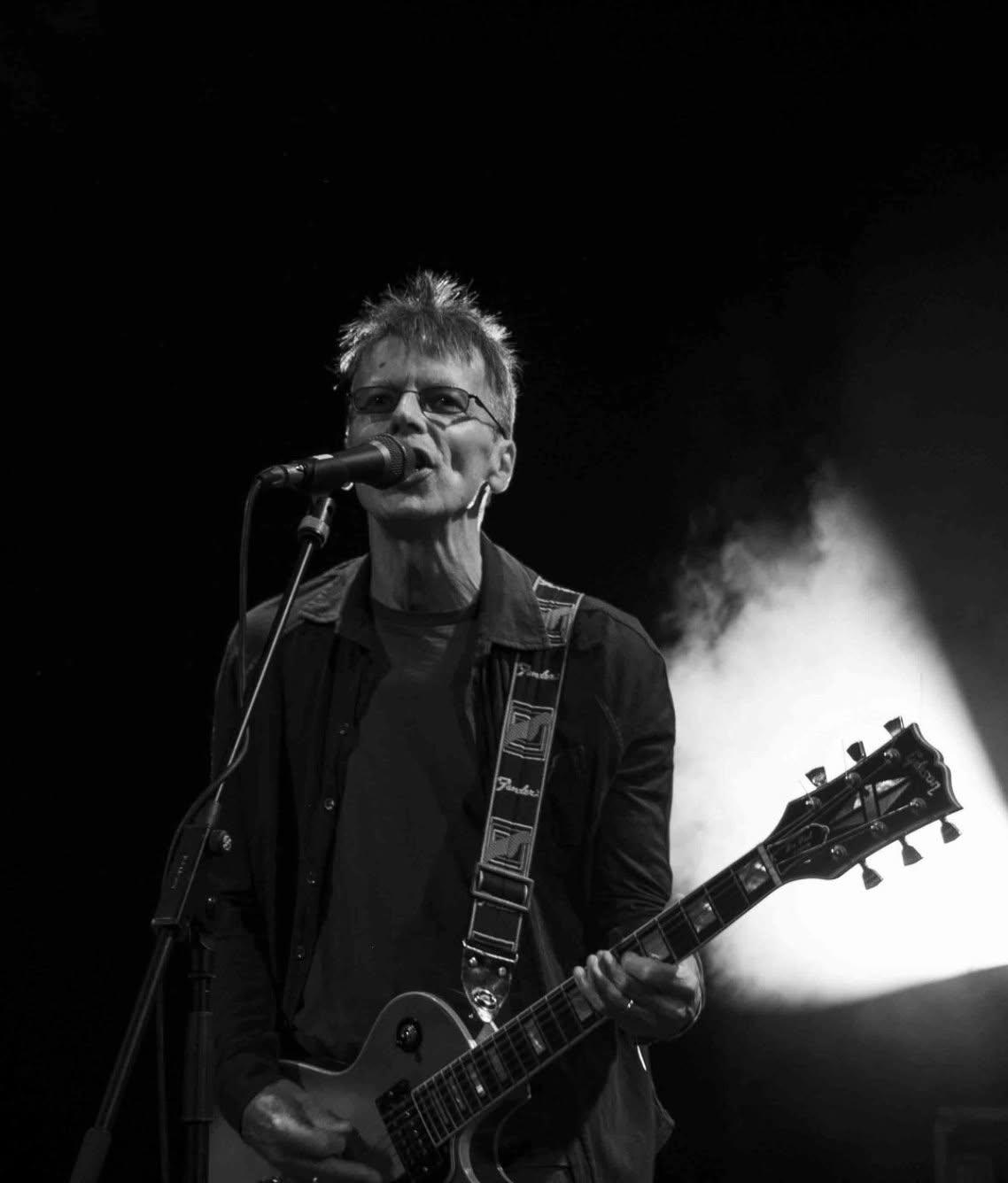
The unseen Undertones archive
There is more coming from Damian away from the stage, too.
He tells Punk Globe he is assembling an Undertones photo book and scrapbook, including photographs he took himself that have never been seen before, alongside images from friends, amateur photographers, and professionals.
Most tantalisingly, Damian plans to include his own original scrapbook covering 1976 to 1978, effectively documenting the band’s birth from inside the room. He hopes the project will appear through an independent French publisher in 2027.
For a band whose beginnings have since become part of punk mythology, that first-hand material could be priceless. Memories change. Legends grow. People who were not there develop very definite ideas about what it was like. The scraps, photographs and handwritten evidence from the time tell another story.
The road is still moving
There is a nice circularity to all this. Punk Globe caught Damian between shows, but the conversation is continuing in the real world too. Within days of this interview, The Undertones and Ruts DC head for Sweden together, before sharing stages again in Britain later in the year.
Fifty years after these musicians first started making their noise, they are not merely talking about punk history. They are still out there making some.
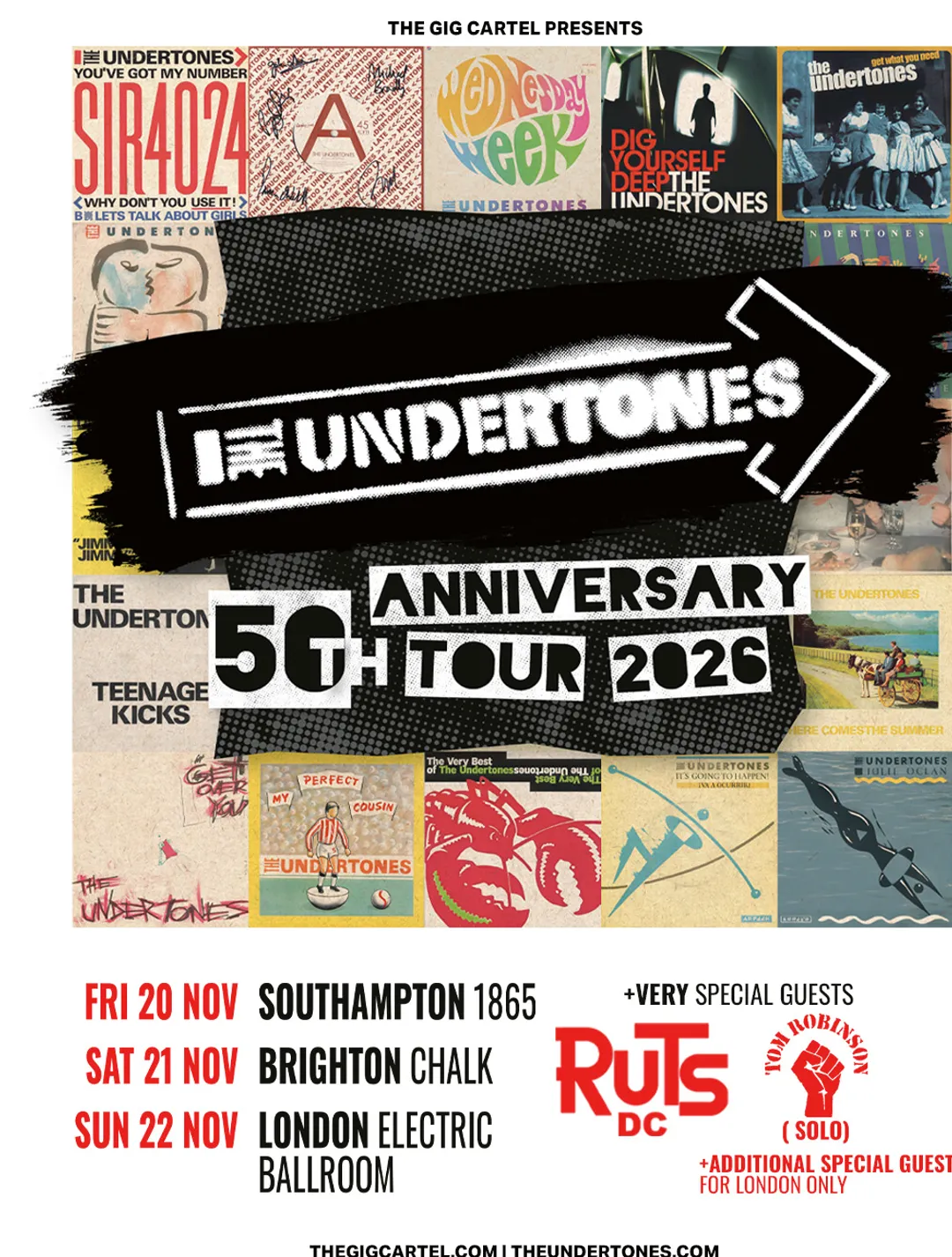
The Undertones also close out the anniversary year with a Christmas Weekender at the Limelight in Belfast on 19 and 20 December 2026.
“Music heals”
Towards the end of the conversation, Tara asks Damian a much bigger question. After everything he has lived through – Derry, punk, The Undertones, political conflict, changing musical eras, breakup, reunion and half a century of history – how does he see things now?
His answer strips away everything else.
“Music heals. It brings people together.”
That may ultimately explain why these songs still work. Not because 1978 needs to be recreated. It does not. Not because punk should become a heritage industry. But because a song written by a bunch of young men in Derry can travel for almost 50 years and still make another room full of people feel something together.
The Undertones are celebrating the past in 2026. They are also writing, touring, and looking ahead. And that feels considerably more punk.